Maine Coon: everything about the breed
Originally from Maine (USA), the Maine Coon is a natural breed that adapted to harsh winters with dense fur, plumed tail and large paws that work like snowshoes. Known as the 'gentle dog' among cats for its docility and following owners around the house. Can grow up to 1 meter long (nose to tail).
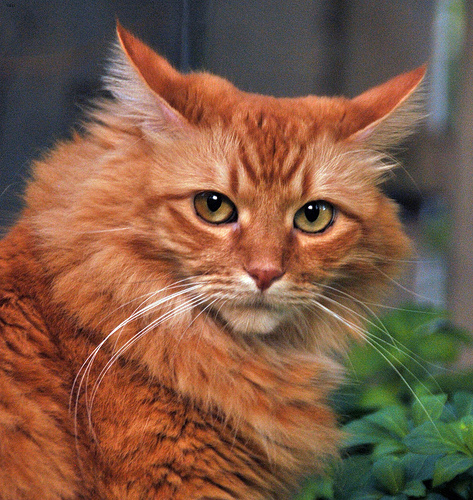
Unique physical features
- Long plumed tail (30-40cm) used as blanket
- Ear tufts (lynx tips) for thermal insulation
- Large paws with tufts between toes
- Semi-long water-resistant coat
- Loves water — many play with running faucets
Health: essential monitoring
| Condition | Prevalence | How to monitor |
|---|---|---|
| Hypertrophic cardiomyopathy | 30% of breed | Annual echocardiogram after age 3 |
| Hip dysplasia | 20% of breed | X-ray after age 1 |
| Spinal muscular atrophy | Genetic | DNA test before buying |
| Polycystic kidney disease | Rare | Ultrasound every 2 years |
| Obesity | Common | Weighed food, regular activity |
Feeding
Maine Coon grows until age 4 (vs 1 year for normal cats). Needs high-quality food rich in animal protein.
- Premium food for large cats
- Animal protein >40%
- Taurine supplement (prevents cardiomyopathy)
- Water fountain (love running water)
- Large kibble format suitable for jaw
Toys and enrichment
- Tall vertical scratcher (>5ft) — use standing
- Robust cat towers
- Wands with large feathers
- Floating toys in water bowl
- Resistant fabric tunnels
Breed health screening: real-world data from PawPeds
PawPeds is a European pedigree and feline health database where breeders and owners register veterinary screening results (echocardiograms, genetic tests). The figures below come from this breed's real records in the database — something generic breed pages never show.
Honest reading: participation is voluntary, so it skews toward health-engaged breeders, and the result does not predict your cat. Two practical uses: knowing which screening this breed genuinely needs (ask for parents' results when buying a kitten) and sizing the recorded prevalence.
Source: PawPeds health results (2026-10-03), © PawPeds. Correctness not guaranteed by the source; snapshot of 2026-10-03.
| Screening | Cats screened | Abnormal results | Result distribution |
|---|---|---|---|
| HCM echocardiogram (heart) | 26541 | 5.3% | Normal 25117; Equivocal 638; HCM Mild 326 |
| HCM1 genetic test (MyBPC3) | 4893 | 100.0% | No Mutation 4447; Heterozygot 430; Homozygot 16 |
Four years of growing: the big kitten that takes its time becoming a giant
Most cats finish growing in their first year. The Maine Coon doesn't: the breed matures between 3 and 5 years, and it is common for a second-year owner to wonder if they got a regular cat. The final numbers explain the giant reputation: males reach 6-8 kg (some above that), females 4-6 kg, and nose-to-tail it is easy to top one meter.
A long growth period calls for large-breed kitten food for longer, with controlled calcium and phosphorus so the joints keep up with the skeleton. And weight must be measured: the 'chonky Maine Coon' joke repeats in every clinic, and each extra kilo taxes the hips, one of the joints this breed already tends to overload.
Four real demands of the breed (beyond the cuteness)
Semi-long coat with a dense undercoat: brushing two to three times a week prevents mats under the arms and along the britches, and the spring shed requires daily brushing. Choose a wide slicker brush, not a de-shedding rake.
Heart: HCM is the breed's disease. An adult echocardiogram and a pedigree with the parents' results are the real filters — the PawPeds database on this page shows the scale of screening serious breeders do. A tall, sturdy cat tree (an 8 kg cat needs a stable base), running water that the breed loves, and screened windows: a Maine Coon is too curious to trust a flimsy screen.
📊 Precision breed scores
Numerical breed profile — data typical descriptive pages don't give you.
🩺 Hereditary predispositions (with PubMed sources)
Peer-reviewed veterinary references — the transparency retail blogs skip.
| Condition | Frequency | Warning sign | Prevention | Source |
|---|---|---|---|---|
| Cardiomiopatia hipertrófica (CMH) | ~30% dos Maine Coons | Dispneia, letargia, tromboembolismo | Ecocardiograma anual após 2 anos; teste genético MYBPC3 | Meurs et al. Hum Mol Genet 2005 — mutação MYBPC3 ↗ |
| Displasia coxofemoral felina | ~18% dos Maine Coons | Recusa em saltar, manqueira | Manter peso ideal; suplementação articular após 5 anos | Perry OFA registry ↗ |
🎾 Toy matrix for this breed
Selected by bite force and size — not by what a store has in stock this month.
✅ Recommended materials
- Sisal grosso (arranhador)
- Papelão corrugado triplo denso
- Feltro atóxico com catnip
- Varinha com penas naturais
⛔ Avoid / dangerous
- Fitas finas ou cordas (risco de ingestão)
- Bolinhas menores que 3 cm (engasgo)
- Espuma quebradiça
- Penas com pontas afiadas
🎯 Target categories
- Arranhador vertical 60cm+
- Brinquedo interativo com laser
- Comedouro tipo puzzle
- Túnel/toca
Ideal size: Arranhador ≥ 60 cm de altura; brinquedos ≥ 4 cm
Related breeds
Frequently Asked Questions
Is Maine Coon aggressive because it's big?
Quite the opposite. One of the most docile and sociable breeds. Called 'gentle dog' because they follow owners around and play fetch.
Do I need to brush Maine Coon every day?
No. Unlike Persian, Maine Coon's semi-long coat is easier to maintain. 3 times per week is enough for most of the year.
Can Maine Coon live with dogs?
Yes. One of the most tolerant feline breeds toward other animals, especially if introduced from kitten age.
How much does an adult Maine Coon eat?
About 100-150g of premium food per day, divided into 2-3 meals. Twice a standard adult cat.
What's the Maine Coon life expectancy?
12 to 15 years. Cats with annual echo and controlled weight live in the upper range.